Why our research matters:
We want our patients to have access to the best possible care—both today and in the future.
Our research has improved prosthetics worldwide. Having an active role in industry research means that our patients benefit from the latest advancements in technology, curated to their goals.
We’re particularly interested in:
-

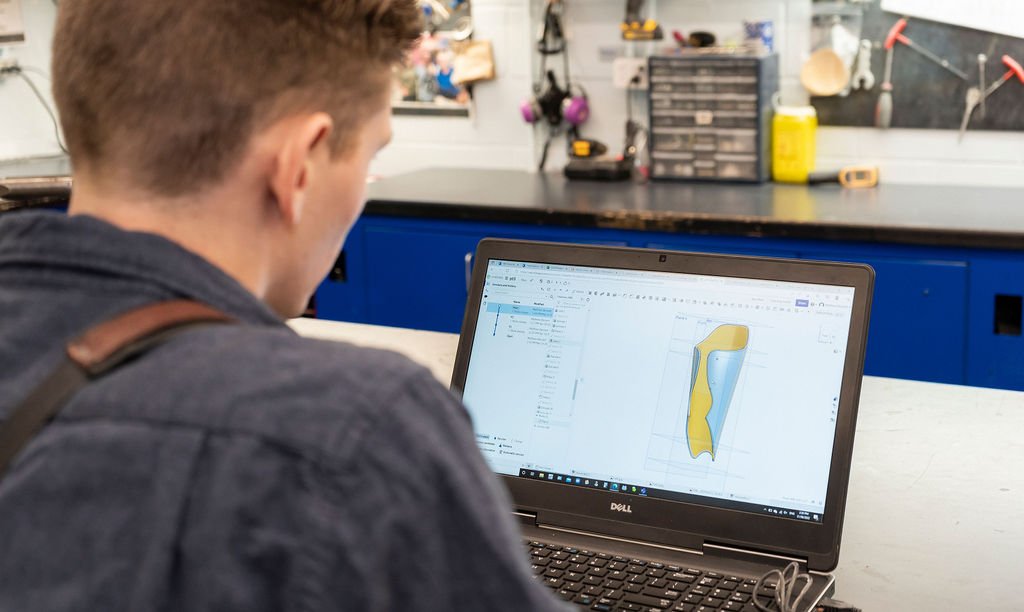
Experience
Understanding how our patients experience life with their prostheses outside the clinic helps us provide better treatments.
-
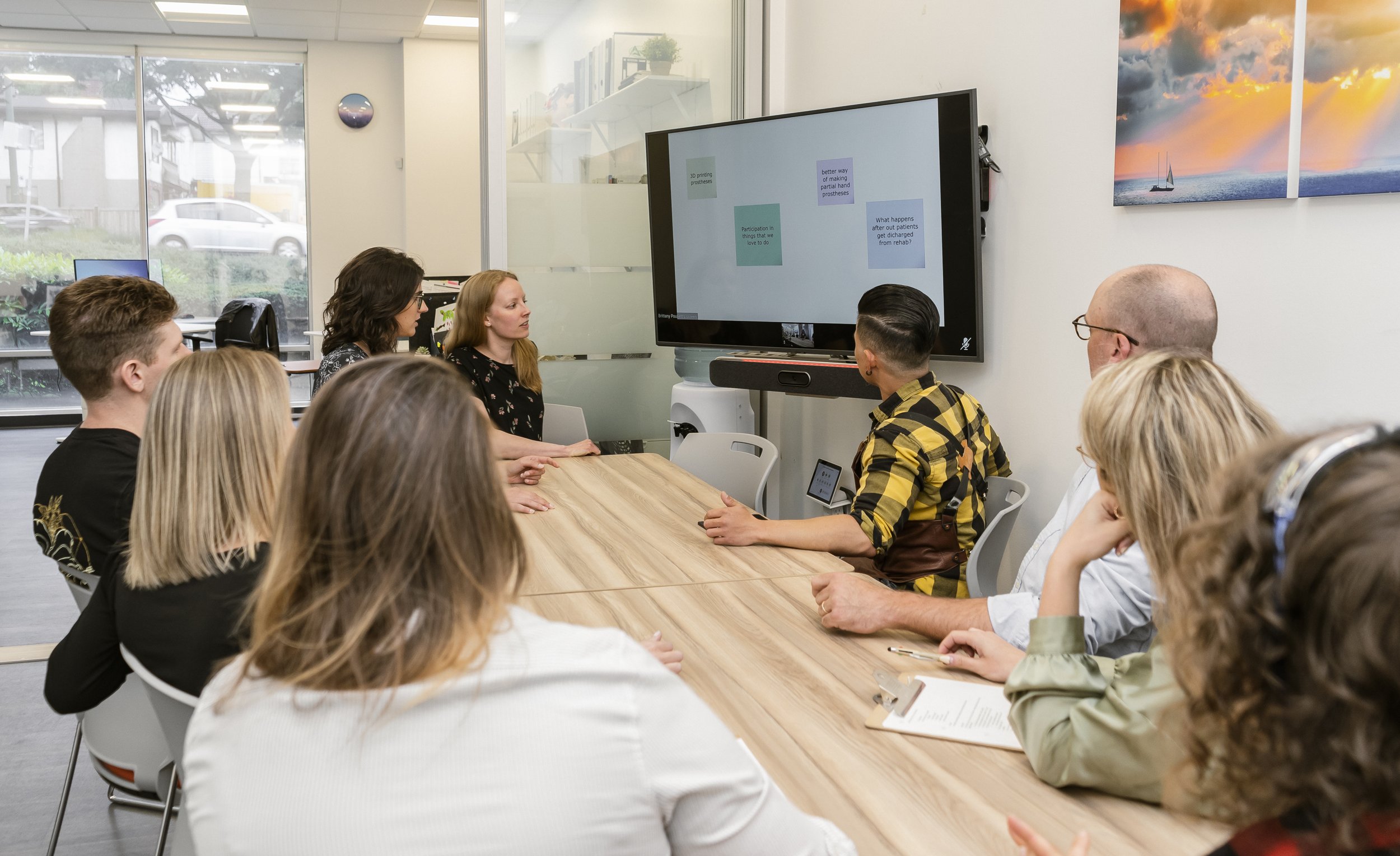
Innovation
Developing new technology or prototypes which may become the prostheses or clinical tools of the future.
-

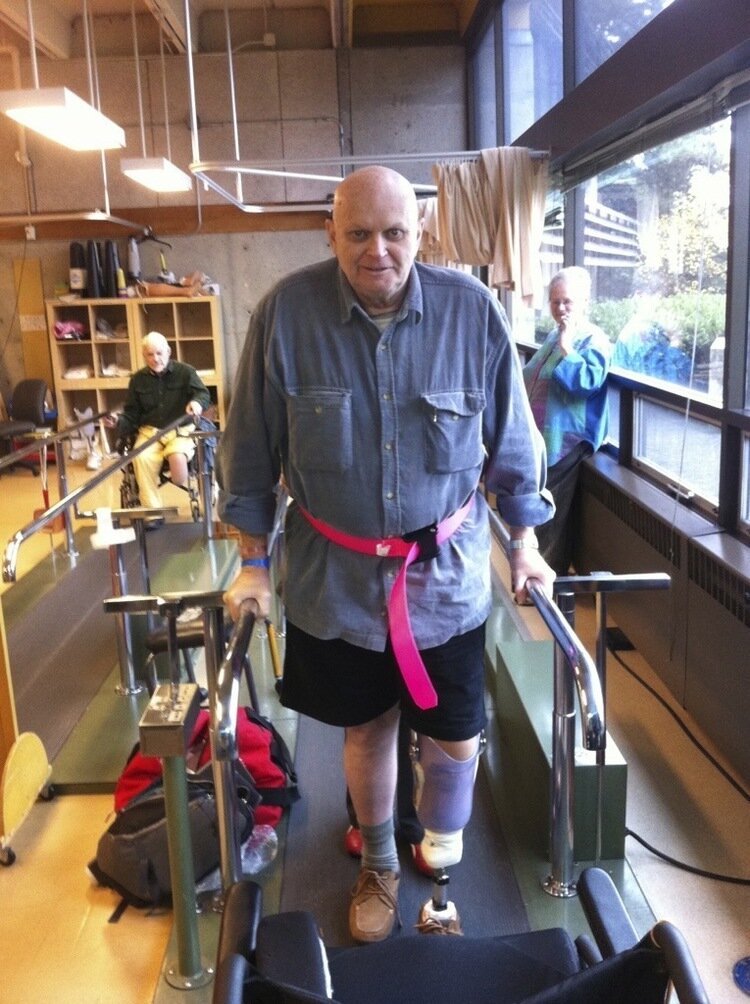
Exploration
Testing new manufacturing methods or processes to improve what we can offer patients.
We conduct both independent clinical research and partnerships with other researchers, universities, and hospitals worldwide.
Upon project completion, we share our findings at conferences, publish papers & articles, and run in-services so that the knowledge we’ve gained can benefit as many patients as possible.
What We’re Researching Today:


Research We’ve Completed:





Student Projects
-
![]()
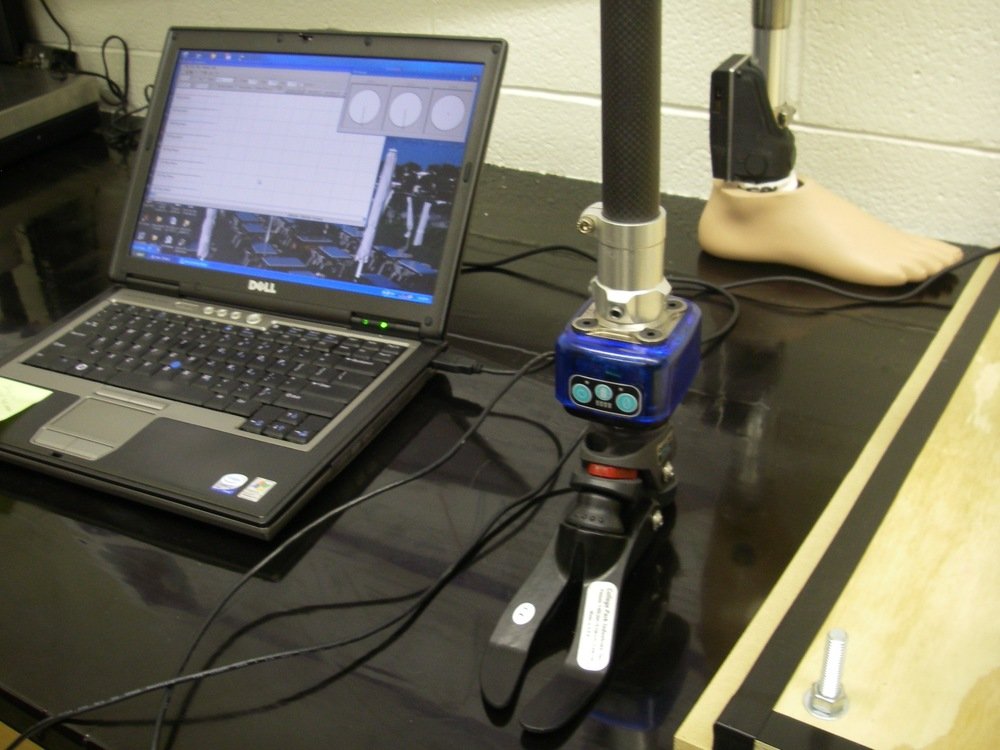
Modifying Prosthetic Foot Parameters
Julian Hoch, BCIT MAKE+ Group & Barber Prosthetics Clinic
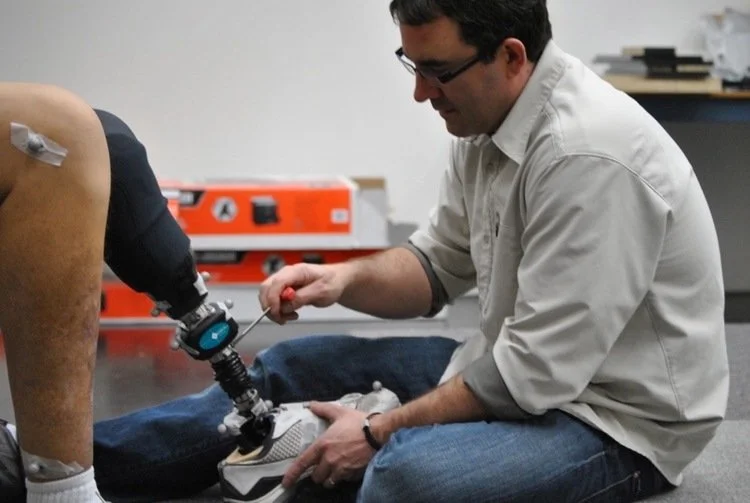
When choosing which prosthetic foot to choose for a patient, there are several factors to consider. This randomized, double-blinded study looked at the effects of modifying prosthetic foot parameters on gait parameters. The effects were studied by collecting both biomechanics data in a motion capture laboratory at BCIT as well as by using routine clinical data collection tools (including the 2 Minute Walk Test and G-Walk) and by gathering the participants’ subjective perception of the foot.
-
![]()
Effects of torsion adaptors on activities of daily living
P&O Student Brittany Pousett from BCIT
A pilot study conducted with two people with transtibial amputations found that the use of a torsion adaptor considerably decreased the axial moments by allowing increased axial rotation while completing a series of tasks of daily living.
-
![]()
Clinical Use of a Digital Outcome Measures Tool
P&O Students Anna Kruithof and Jasmine Slomp from BCIT
Students in the P&O program at BCIT recognized the need to have a digital tool in order to support the use of outcome measures in practice and Barber Prosthetics could not agree more! They conducted a Canada-wide survey and a focus group to delve into this topic.
-
![]()
Prosthetic sockets: Designing a system for thermal regulation
P&O Student Michael Prystai from BCIT
Studies have found that increased heat and sweat production in prosthetic sockets leads to decreased comfort for people with amputations. This study investigated the development of a user-friendly prosthetic integrated system that allowed the wearer to directly control the temperature at the skin-socket interface.
-
![]()
Can We Make a Better Fabrication Tool?
Barber Prosthetics & Caleb Waldman, Sadul Bombuwala, Shawna Naderi, and Vedanth Meleveetil, Integrated Engineering Students from UBC
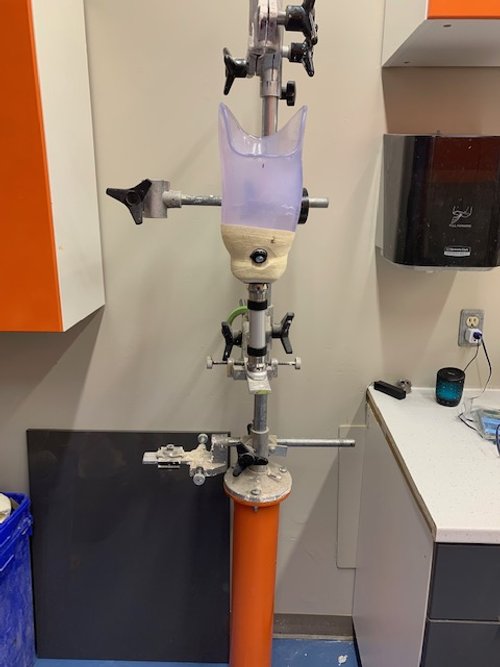
Vertical Fabrication Jigs (VFJs) are tools that are used in the fabrication of prostheses. One of the challenges we face on the technical side of our clinic is the limitation in fabrication due to the number jigs we have room for. We partnered with UBC Integrated Engineering Students to determine if we could develop a solution to this bottleneck in our fabrication process.
-
![]()
How Do Feet Work on Slopes?
P&O Student Jenna Barnert from BCIT
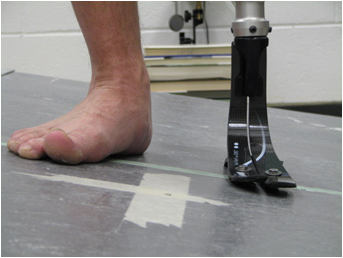
This study compared the ability of a split-toe prosthetic foot to a solid-keel to adapt to a lateral incline and identified the resulting effects on the body. Between these two feet, there were no difference in level ground walking, however on slopes where the prosthesis was uphill, the results suggested the split-keel conformed better and was preferred by participants.
-
![]()
How do 3-D Print Settings Impact Socket Strength?
P&O Students Leah Campbell and Adrial Lau from BCIT as well as Ernie Janzen & Silvia Raschke from BCIT MAKE+
3D printing is relatively new to prosthetics and there is little research showing the strength of 3D printed sockets. Manipulating the settings on a 3D printer can have a significant impact on the resulting 3D printed socket. These impacts can include the time it takes to print a socket, the strength of the socket, the weight of the socket, and many more. This project investigated how changing the infill percentage (the percentage of material between the internal and external socket walls) affected the strength of 3D printed transtibial sockets. We found that the infill percentage did not affect the structural strength of the 3D printed sockets we made.
-
![]()
What Amputation Resources do Friends & Family Need?
P&O Students Nicholas Antoniuk and Kimberly Lieuwen from BCIT
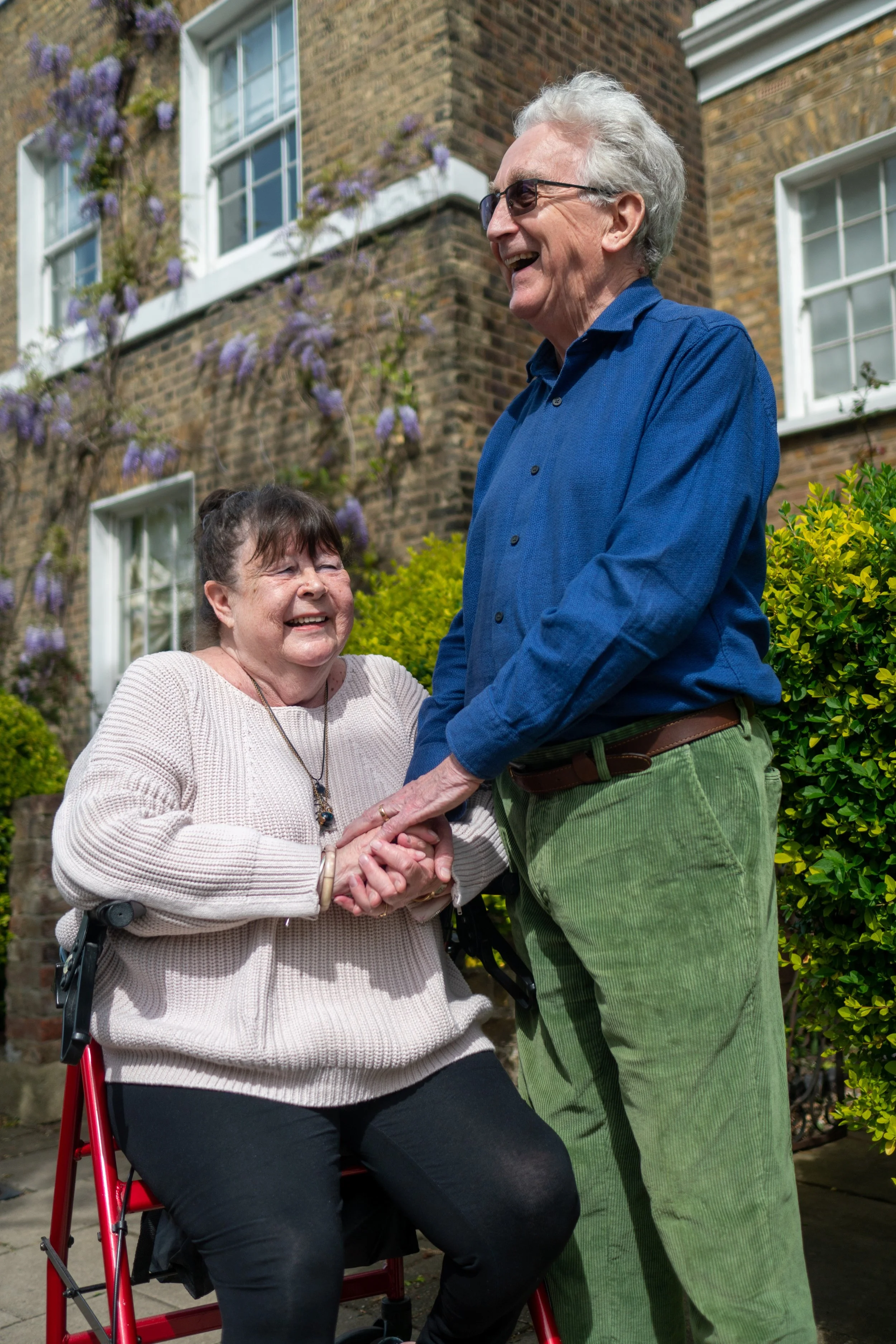
The primary purpose of this study was to explore perceptions of informal caregivers of persons with lower limb amputation to identify which resources were helpful in managing their own self-care. A secondary purpose was to identify resources that would help enhance the quality of care caregivers provide to persons with amputation.